Home › AI Career Guides › AI Controls Analyst
AI Controls Analyst Career Guide: Risk and Control Testing
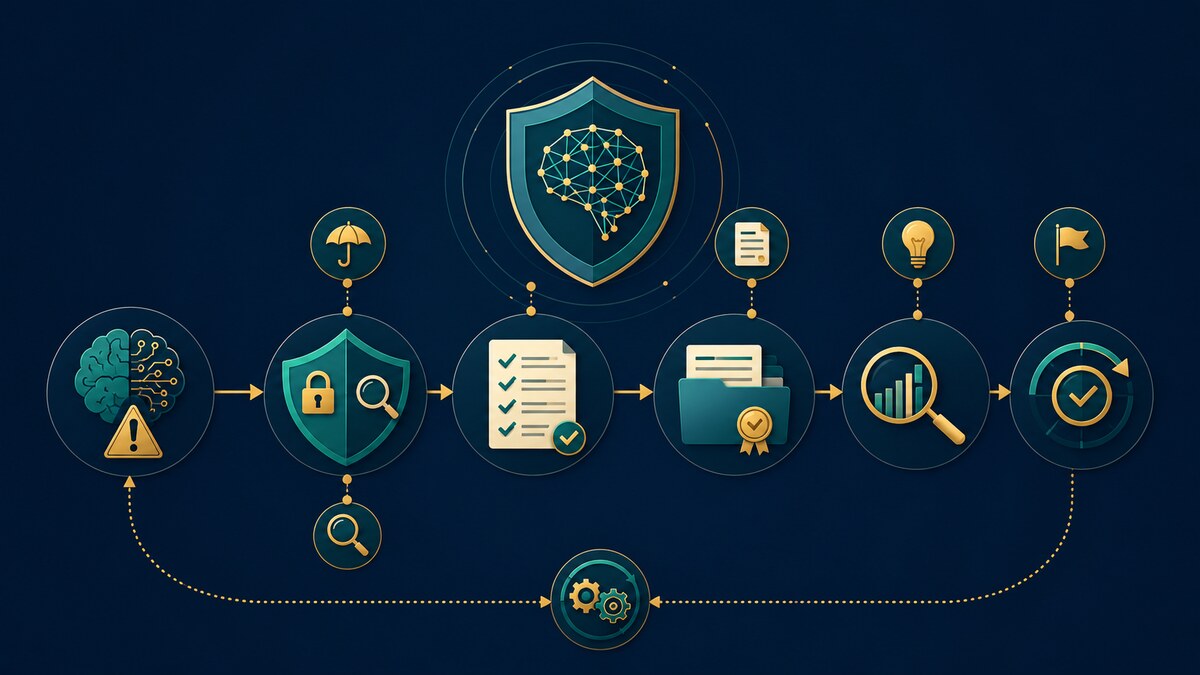
An AI Controls Analyst helps an organization demonstrate that its AI risks are addressed by controls that actually operate. The analyst maps risks and obligations to preventive, detective, and corrective controls; identifies owners and evidence; tests design and operating effectiveness; records findings; and follows remediation. This is one of the most accessible entry points for professionals coming from GRC, audit, cybersecurity, compliance, quality, or operational risk.
The role may review use-case intake, data approval, access control, model documentation, evaluation, human oversight, vendor review, monitoring, incident response, change control, and retirement. Strong analysts distinguish a policy statement from a control, a screenshot from reliable evidence, and a one-time activity from a repeatable process.
Employers seek risk-and-control thinking, interview skills, sampling, evidence evaluation, concise writing, issue rating, spreadsheet or GRC-platform fluency, and enough AI literacy to understand the system being tested. Feeder roles include GRC analyst, controls tester, internal audit associate, security compliance analyst, quality analyst, and operational-risk analyst. Career progression may lead to Senior Controls Analyst, AI Assurance Manager, AI Auditor, AI Risk Manager, or AI Governance Manager.
CRISC, CGRC, CISA, CIA, AIGP, or ISO/IEC 42001 education can be useful. To prepare, build a risk-and-control matrix for an AI system and write three sample test procedures. For each control, identify the owner, frequency, evidence, population, sample, expected result, exception criteria, and remediation path.
Related guides: AI Auditor, AI Compliance Manager, AI Governance Engineer, AI Risk Manager. Related skills: Controls Testing, Control Mapping, Evidence Documentation, Framework Crosswalking.