
Home › AI Career Guides › AI Privacy Engineer
AI Privacy Engineer Career Guide: Privacy by Design
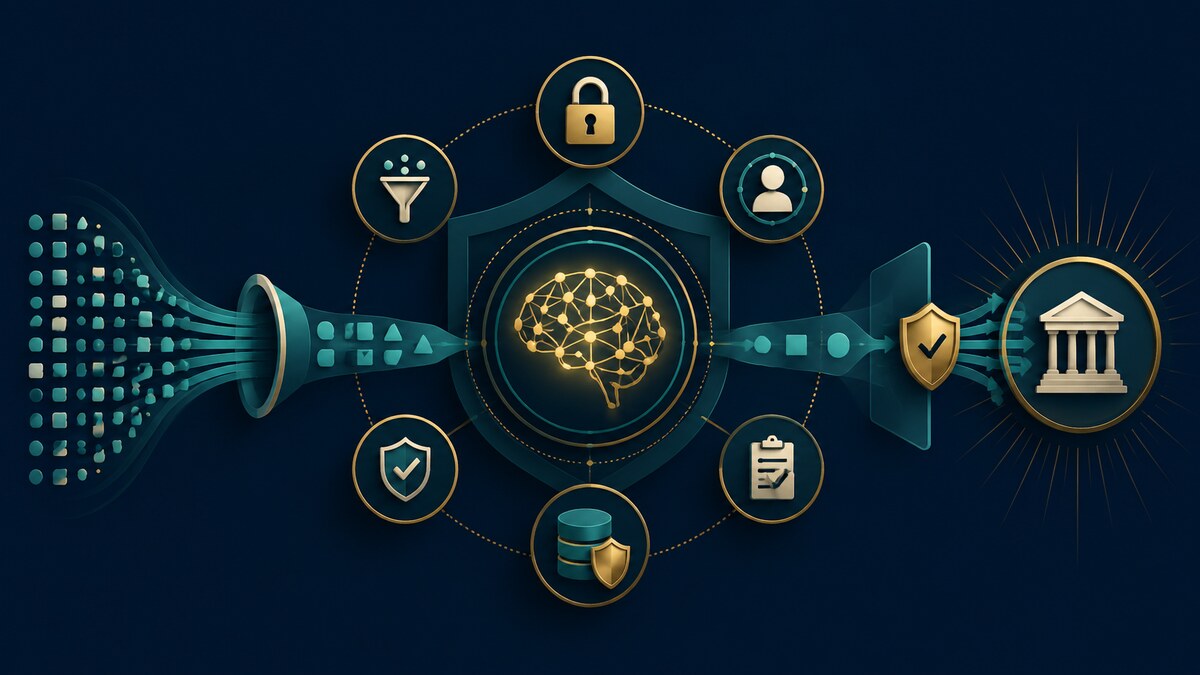
An AI Privacy Engineer translates privacy requirements into architecture, code, configuration, testing, and measurable controls. AI systems create distinctive privacy challenges because they may ingest large datasets, infer sensitive information, retain context, expose training data, or rely on third-party models with unclear data flows. Privacy engineers work with product, data, security, legal, and governance teams to address these risks before launch.
Typical responsibilities include data-flow mapping, minimization, purpose limitation, retention controls, access design, de-identification, consent and preference implementation, privacy threat modeling, vendor review, privacy testing, and support for impact assessments. Technical methods may include differential privacy, encryption, synthetic data, federated learning, secure computation, data loss prevention, and controls around prompts, logs, embeddings, and retrieval systems.
Employers seek software or data engineering, privacy architecture, security fundamentals, cloud and API knowledge, threat modeling, and the ability to work with counsel without turning legal language directly into brittle technical rules. Feeder roles include privacy engineer, security engineer, data engineer, software engineer, cloud engineer, and technical privacy analyst. Progression may lead to Senior AI Privacy Engineer, Privacy Architect, Director of Privacy Engineering, or Chief Privacy Technology Officer.
CDPSE, CIPT, CIPP, cloud-security credentials, AIGP, and privacy-engineering education can help. Build a privacy design review for an AI assistant. Map data flows, classify information, identify collection and inference risks, define retention and access rules, propose technical controls, and specify tests and monitoring.
Related guides: Chief Privacy Officer, AI Security Architect, AI Governance Engineer, AI Compliance Manager. Related skills: Privacy Engineering, Data Lineage, AI Security, AI Impact Assessment.